A predator free peninsula
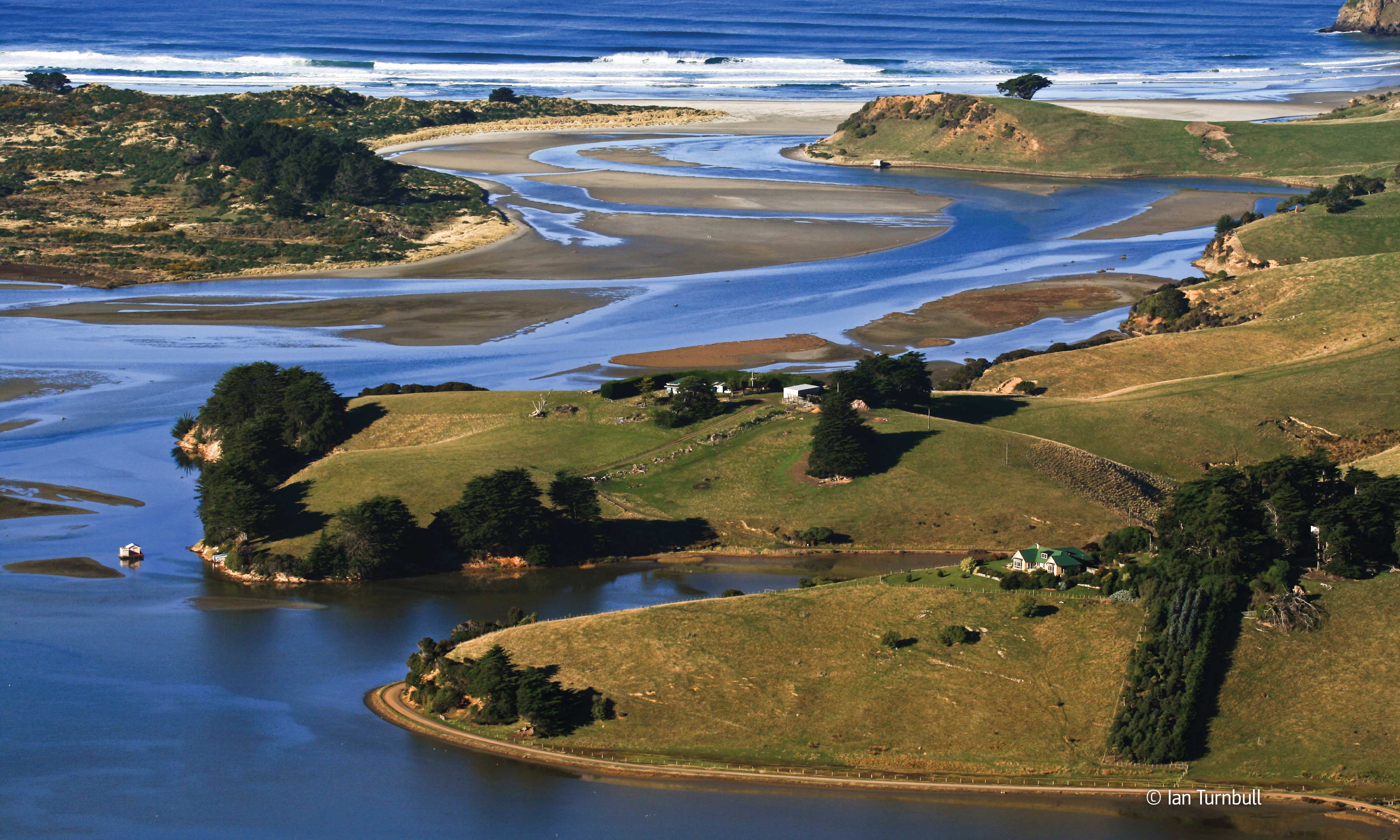
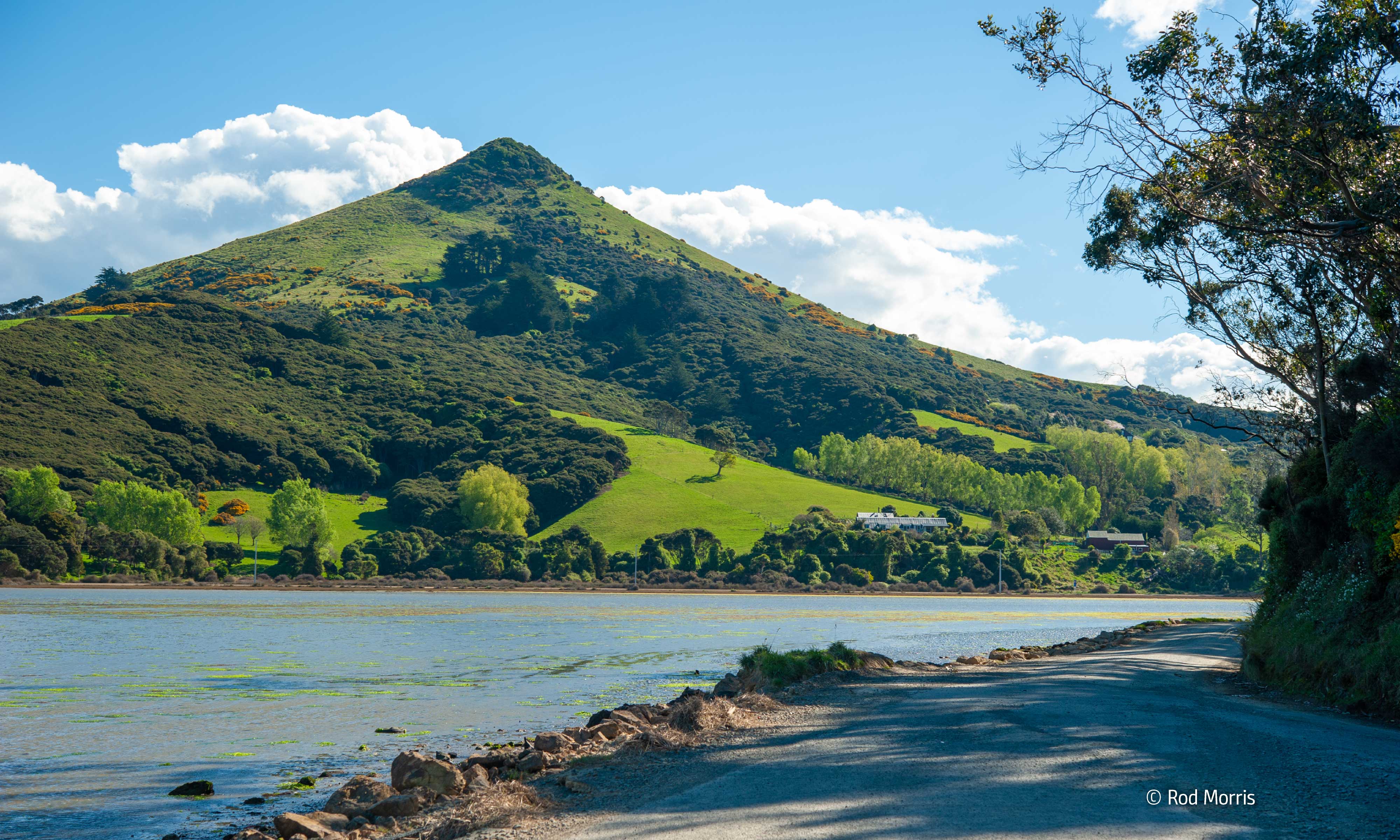
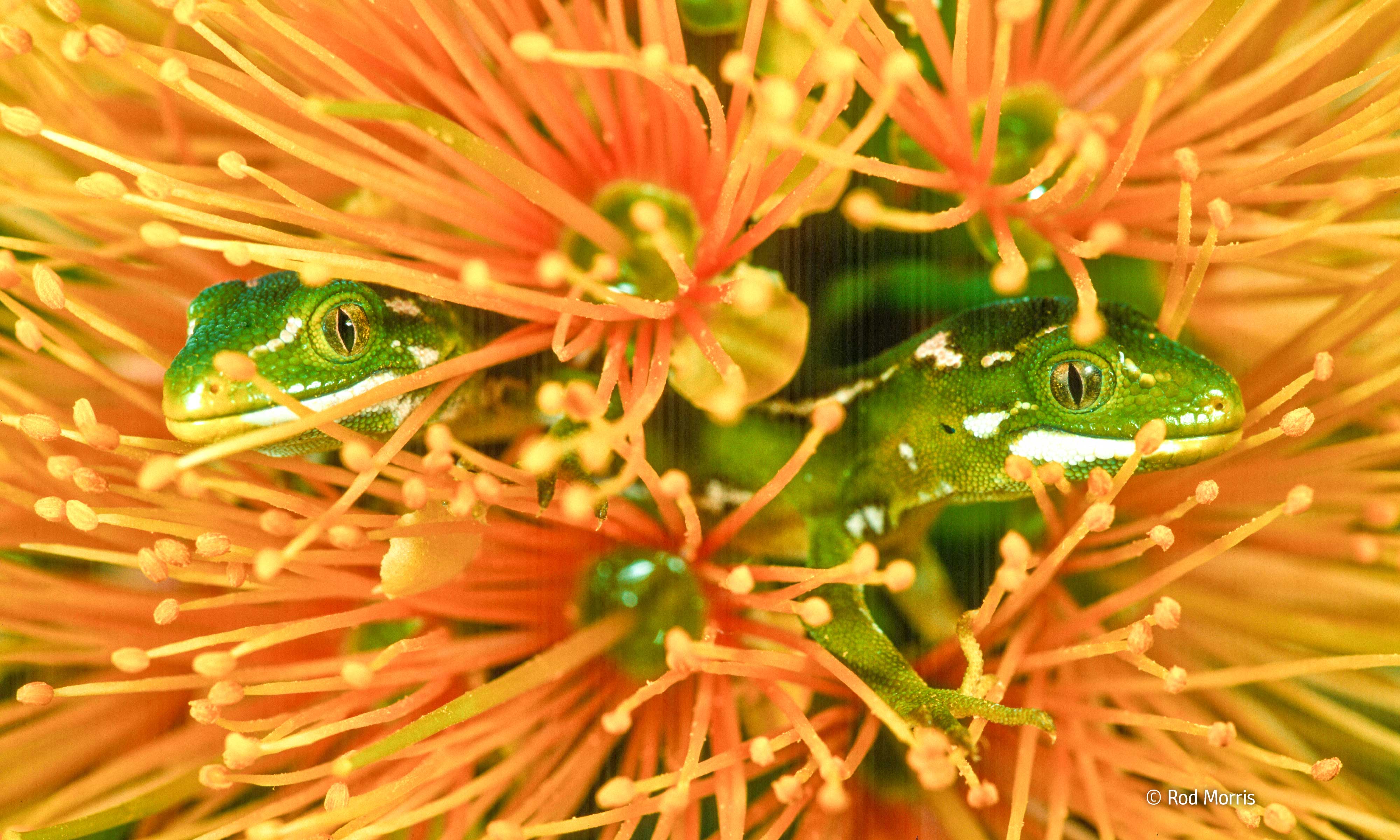
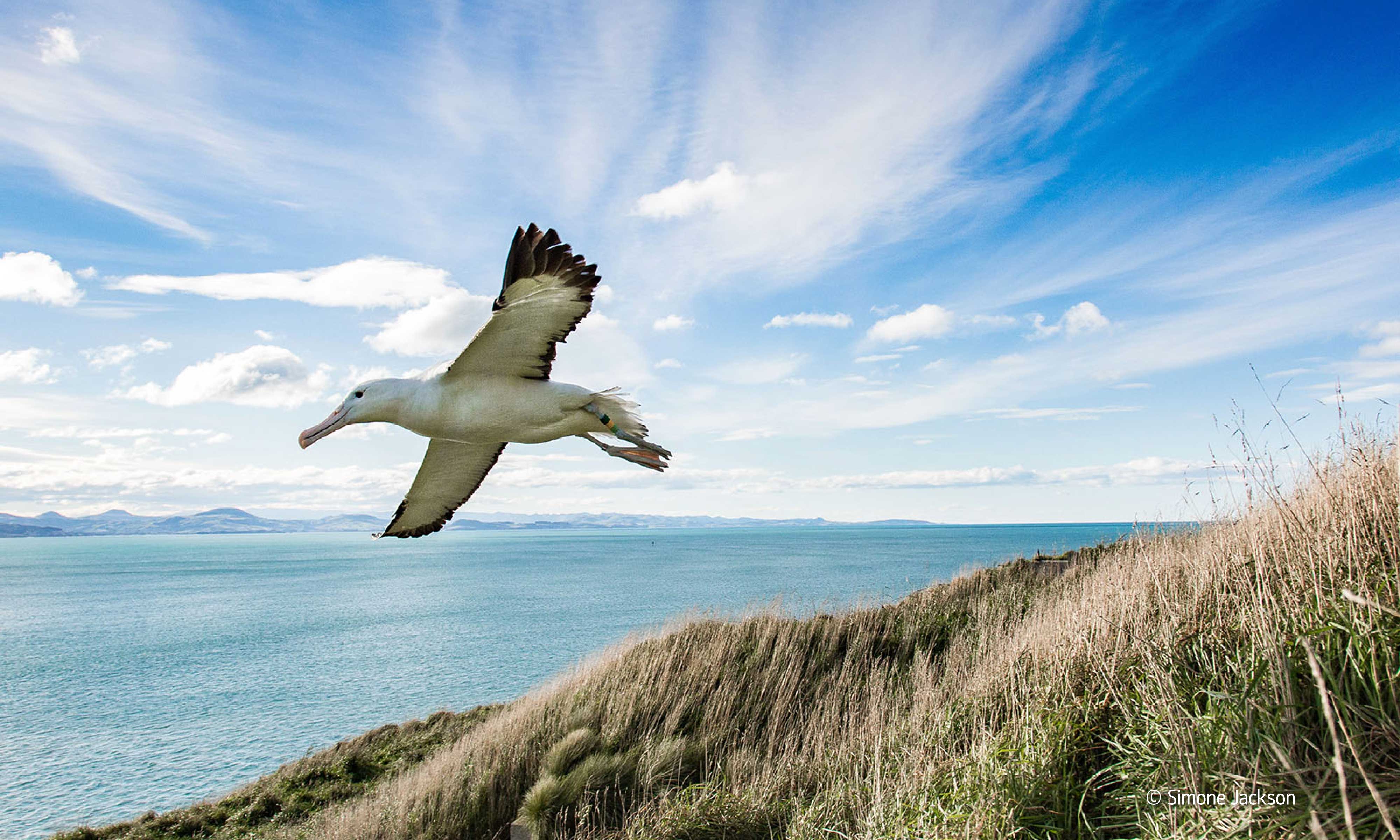
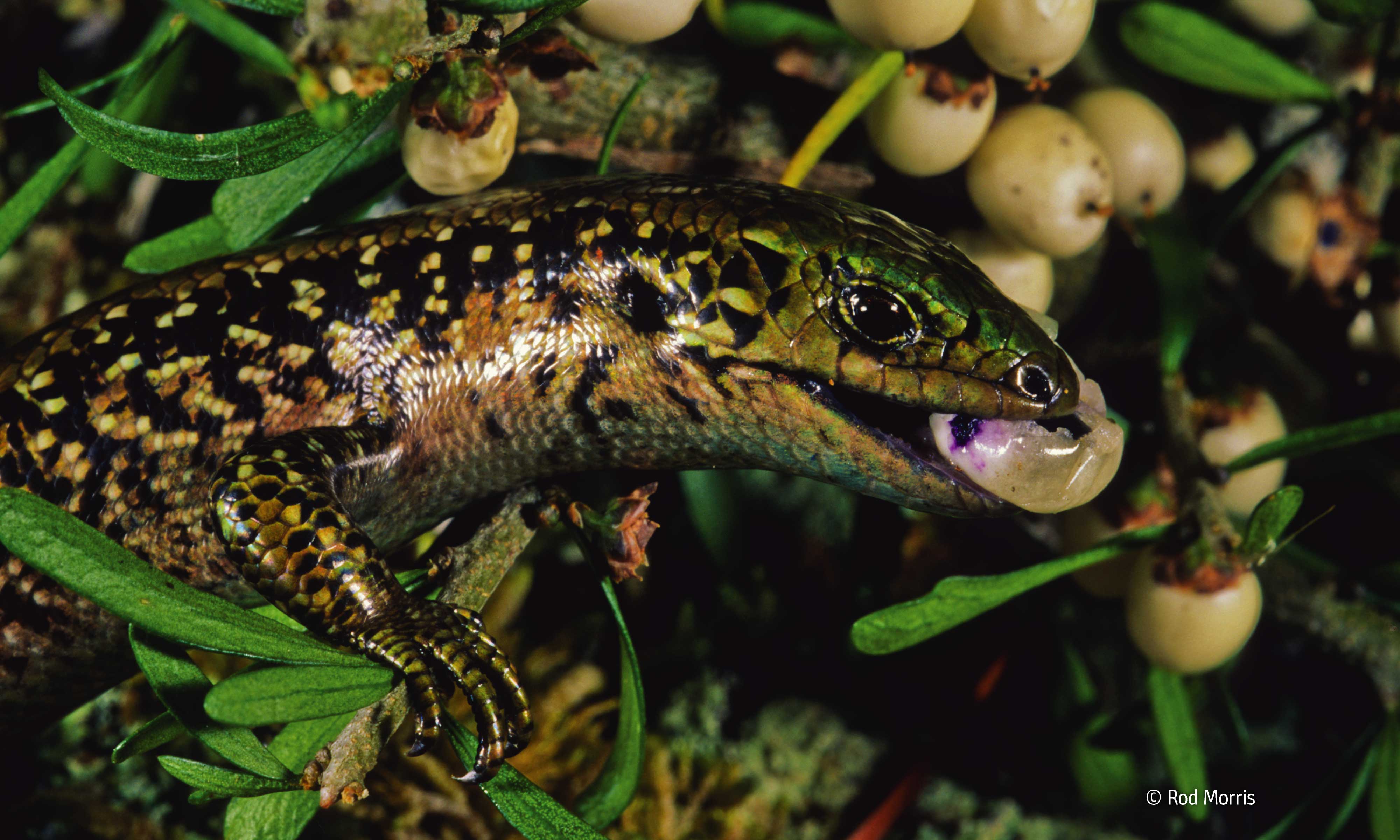
The Otago Peninsula is a wonderland of wildlife, scenery and heritage. Many of the creatures and plants that give Dunedin the reputation of New Zealand’s Wildlife Capital live and breed on the Peninsula or in surrounding waters.
In 2008, a group of keen Peninsula residents formed the Otago Peninsula Biodiversity Group (OPBG) with the vision of protecting the area’s biodiversity, lifestyle, and economic values by removing introduced mammalian predators. Since then, the OPBG has grown enormously, with over 100 volunteers undertaking a variety of activities. In 2018, a partnership was established between 20 conservation-focussed groups to form the Predator Free Dunedin initiative which connects each corner of Dunedin to achieve a city-wide shared vision of eradicating predators from our incredible Dunedin city.
Since 2011, the OPBG has removed a total of 24,792 possums from the Otago Peninsula. In March 2026 the Otago Peninsula was declared possum free, however work will continue with monitoring and detection to ensure against re-invasion. We are always relying on our community to keep a watchful eye and ear to any sign or sound of possums and there is still a network of traps and cameras in place to help with that. Please find our final possum eradication report here.
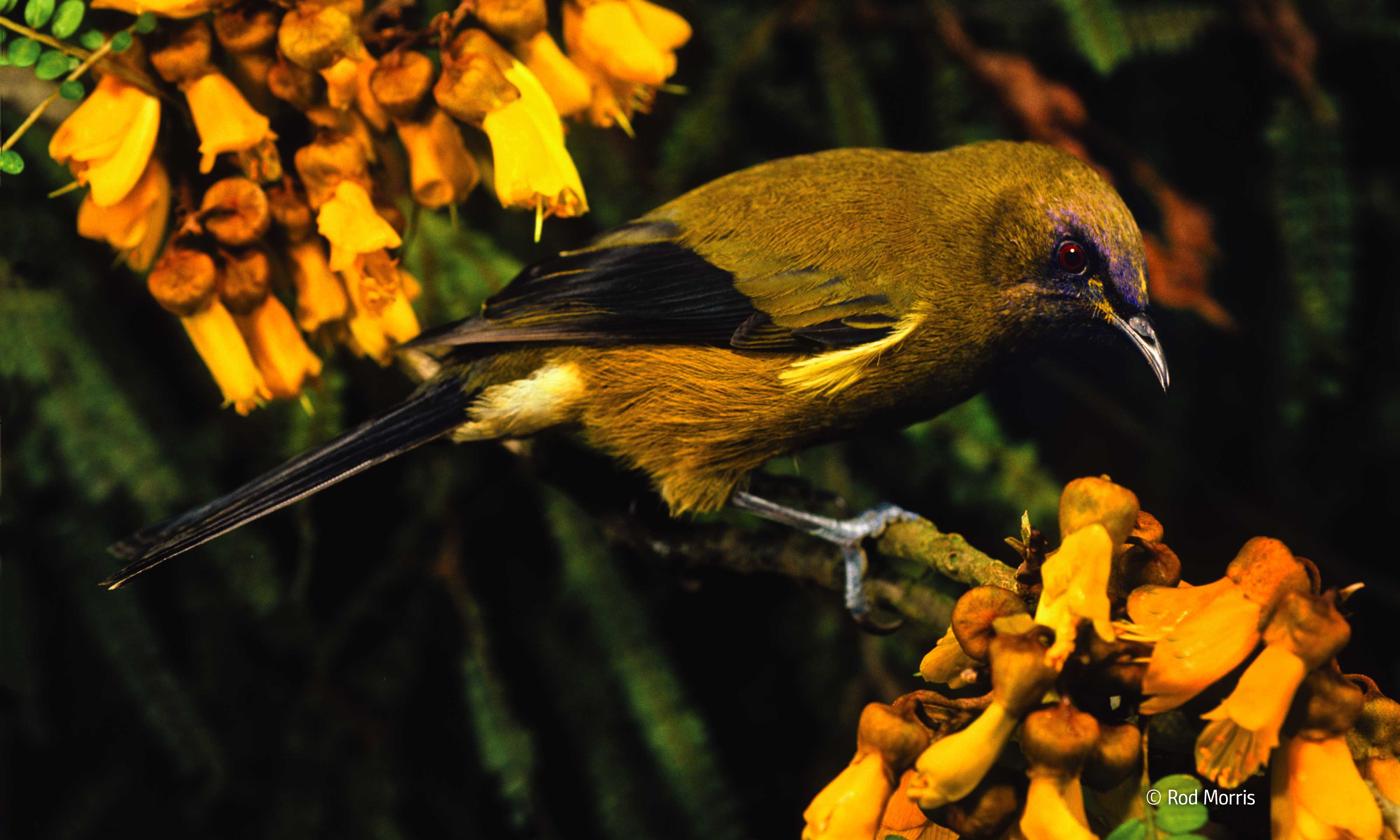
Residents have noticed the positive effects of removing these predators by an increase in native birds, rejuvenated native tree canopies, fruit trees and healthy vegetable gardens. This incredible achievement is all thanks to a huge collaborative effort from volunteers, residents, contractors, the OPBG team, and our funders and supporters!
OPBG Story
Take a few minutes to look at our updated OPBG Story site. It is full of sound clips, videos, pictures and more which tell the inspiring tale of this community group.
New Work Streams for OPBG
Thanks to three new funding sources from successful grant applications, OPBG is expanding our rodent control and multi-species management in areas of high biodiversity value on the Peninsula.
With Otago Regional Council Site-led funding we are working to establish and maintain traplines for multiple species including mustelids, feral cats, rodents and hedgehogs. These are focused on areas around Papanui Inlet and Sandymount.
With Lottery Community Matters funding, we’ve launched a new initiative to get 30% of Peninsula households backyard trapping for rodents within the next year. With fewer possums there can be more food in places for rats and mice. This is why controlling more pest species is essential as we enter our new post-possum Peninsula life. Removing pest plant species like Bomarea and wild passionfruit, which provide a food source for rats and mice, also helps curb rodent numbers.
Our current focus area for supporting backyard rodent removal is Portobello to Broad Bay—with plans to expand into Harwood and Ōtākou soon. We are also supporting rodent work in Sector 5 where possums are still present.
As we did not get full funding for our proposed work, we are starting a Supporter’s Programme for residents and landowners to stretch our funding further.
How can you help:
1. Through the OPBG Give a Little page at:
givealittle.co.nz/org/otago-peninsula-biodiversity-trust, or
2. Directly through our Donations button on this page.
Volunteer Opportunities
If you’re fit and enjoy adventurous terrain, we’re looking for volunteers to help maintain traps in the Sandymount Reserve. We also have new trap lines starting soon along the road edges of Papanui Inlet and on private properties with large areas of native bush.
If you’d like to volunteer, please contact Chris at operations@opbg.nz.
If you are already trapping rats or mice, we’d like to receive your catch information in the future. Please email Chris at operations@opbg.nz so he can send you details on how to record your catches on Trap.NZ.
Rabbit Control on the Otago Peninsula
Parts of the Otago Peninsula have seen an increase in feral rabbit populations in recent years and some landowners have struggled to maintain rabbit populations to at or below allowable levels.
Sustained control of rabbits requires a high level of collaboration, communication, and participation amongst the majority of landowners in the area.
The poster below along with an effective management plan and a detailed report has been prepared by OPBG to help landowners and anyone else undertaking rabbit control to achieve long-term sustained control and, therefore, maximise the impact of the time, money and energy expended, and ensure that gains are maintained.
This work is undertaken in conjunction with a feasibility study undertaken by Predator Free Dunedin towards the eradication of mustelids on the Otago Peninsula, of which the reduction in the number of feral rabbits is a critical component.

How to tell the difference between a feral cat and a pet?

This is becoming an increasingly important question for the staff at OPBG as we install more live capture cage traps near residential areas.
To help with ensuring we keep pet cats safe on the Peninsula we have developed a “Cat Map” which is an online form where you can register your cat and include its identifying features, including an option to upload photos.
Facebook posts


OPBG is proudly supported by: